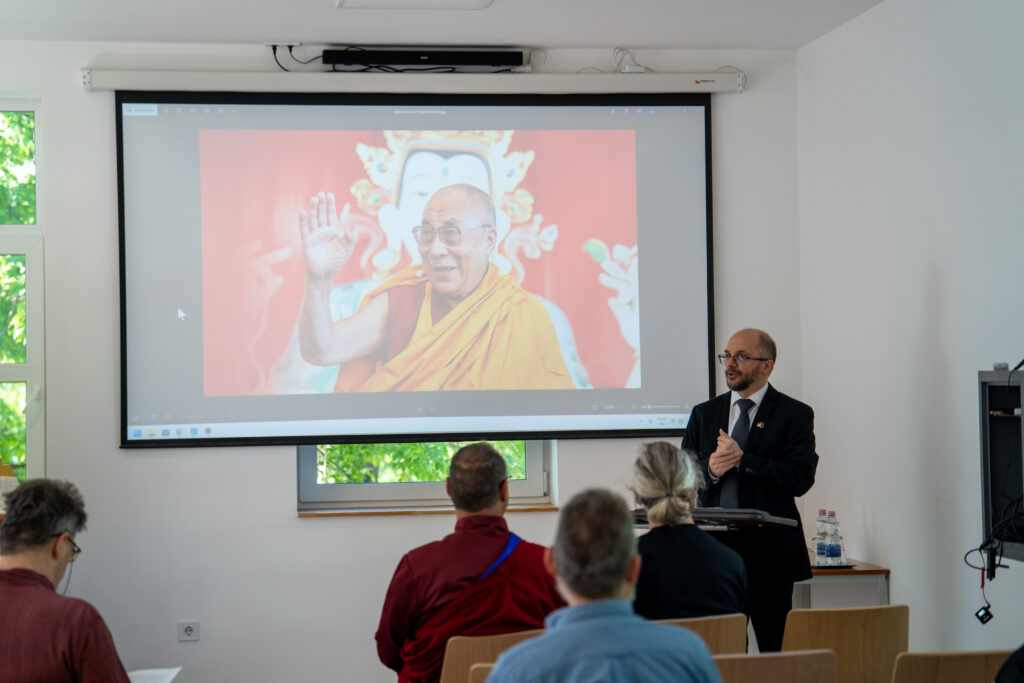
Could anger be compassionate? What does the Buddhist tradition say about ADHD and other forms of atypical cognitive functioning? How did the cause of Tibet become part of the international human rights dialogue? These were among the questions explored at a conference held at Dharma Gate Buddhist College on 30 April 2026.
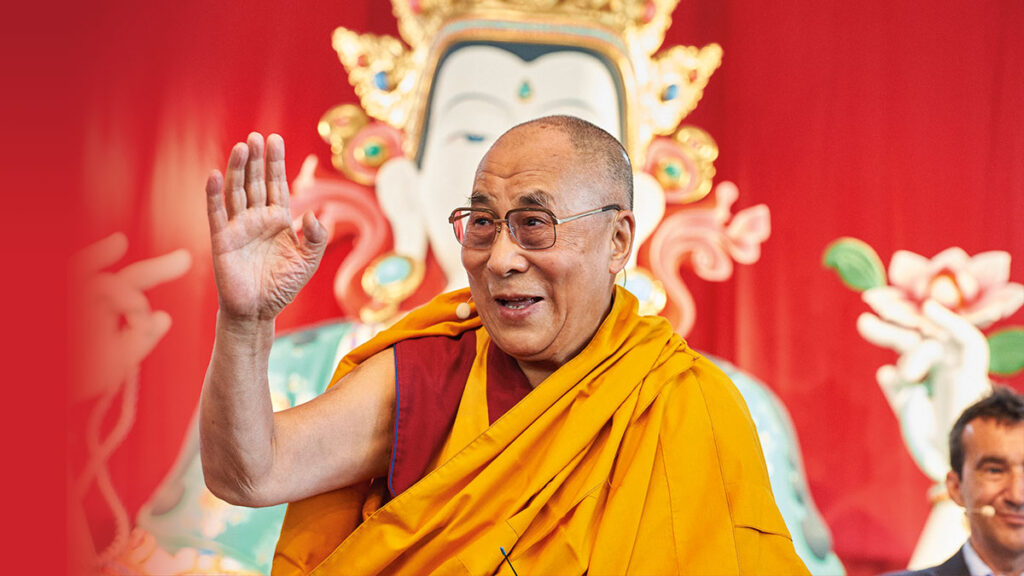
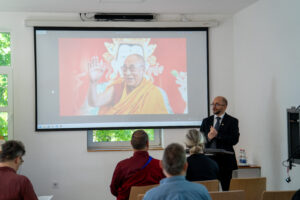
The conference was entitled His Holiness the 14th Dalai Lama and the Legacy of Tibetan Buddhism. The event formed part of the global programme series celebrating the Dalai Lama’s 90th birthday.
Featuring a total of 16 speakers, each giving a 20-minute presentation, the conference explored the life’s work and spiritual legacy of the 14th Dalai Lama, as well as the significance of Tibetan Buddhism from historical, philosophical and social perspectives.
From attention deficit to anger and the care of the dying
Some of the presentations addressed the question of neurodiversity, examining how the experiences of people living with ADHD, autism or other forms of atypical cognitive functioning may be understood from a Buddhist perspective.
The question of anger was also discussed at the conference. Today, this issue is relevant not only in our personal relationships and in thinking about mental health, but also in public and political debates. One presentation examined what “compassionate anger” means in the teachings of the Dalai Lama: in other words, how anger may be understood not merely as a destructive emotion, but in certain situations as a responsible moral response aimed at protecting others.
Our speakers also shed light on how the cause of Tibet became intertwined with Cold War politics, and how the Dalai Lama came to be one of the defining figures in the international human rights dialogue.
The programme also addressed the hospice movement and the question of conscious, compassionate presence alongside the dying, as well as the relationship between the Buddhist teaching of non-self and contemporary cognitive science.
The conference presented the major schools of Tibetan Buddhism, along with their philosophical and practical traditions, while also exploring the contemporary relevance of the Dalai Lama’s legacy in the fields of education, ethics, mental well-being and social responsibility.
After Vietnam, Tibet
This conference forms part of the College’s broader effort to present Buddhism through a variety of traditions and academic perspectives. In March, we organised a conference entitled Thich Nhat Hanh and the Legacy of Vietnamese Buddhism, which examined the legacy and contemporary impact of the world-renowned Zen master from philosophical, psychological, pedagogical and religious studies perspectives. The present event on the life’s work of the Dalai Lama continued this open dialogue, and we are planning a major Theravāda conference for the autumn.
We are deeply grateful to our speakers for their presentations and to the audience for their engaged attention.